



Different explanations are being given for the China-Taiwan conflict, and at CWI we want to propose an alternative view.
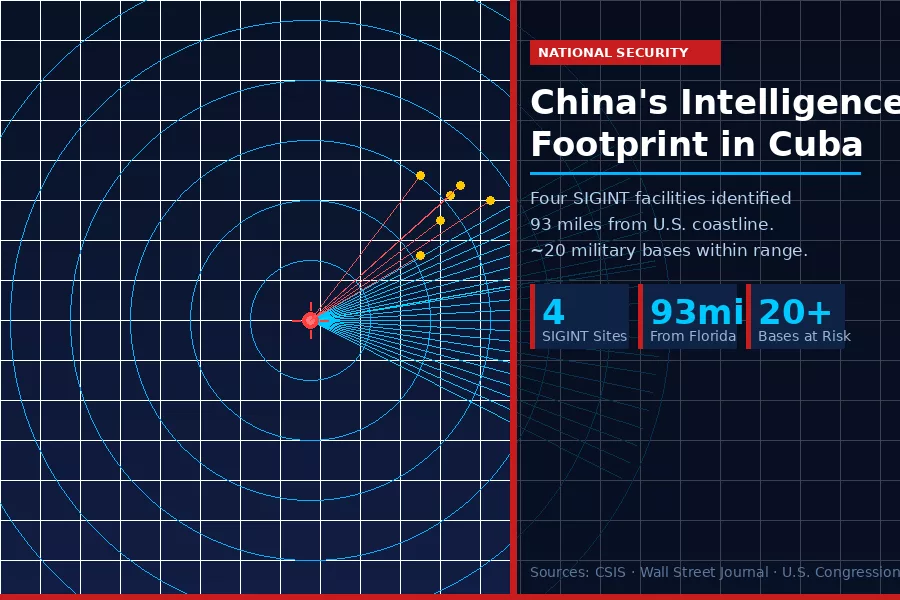
As we have already described in various articles, since the era of Deng Xiaoping the CCP has had open a war on multiple simultaneous fronts (economic, technological, cultural, political and military) that includes both Chinese citizens and all countries that could endanger its subsistence and sovereignty. In reality, the attraction of foreign investment that has made China the world leader in manufacturing capacity has occurred through a series of deceptions, bribes and coercion of various kinds. While foreign investors came out ahead economically in the short term from that offshoring (lower labor costs or faster manufacturing), a scheme of systematic espionage and theft coordinated through the Chinese People’s Liberation Army has allowed local companies to be strengthened in a domestic market that is anything but free.
As we described in the series “The Fall of Communism in China: Lessons From the Collapse of the USSR,” this sustained confrontation has been carried out through the communist frame of thought, where repression and control prevent (despite appearances) an optimal use of resources and foster corruption at all levels of society. One example is the Chernobyl accident and how Gorbachev explained why it was not possible to make the right decisions; the information about what was really happening simply did not reach them. Once fear of punishment is established as a structural value, corruption spreads throughout the system, preventing a clear view of what is really happening.
This situation, this permanent confrontation that went unnoticed for many years, is gradually beginning to be discovered thanks to the terrible internal and external imbalances it is generating. The COVID-19 pandemic is the most obvious proof, but there are many others that significantly affect the local population.
READ ALSO: China: 70 Years of Covert War
On the economic front, while its economy maintains sustained growth and an increasing number of Chinese companies rank by size or revenue among the largest in the world, public plus private debt exceeds 300% of GDP (a gigantic number), there are more than 65 million empty homes, real estate prices at bubble level and one of the main developers, Evergrande, on the verge of one of the largest bankruptcies in history with a debt of $300 billion.
The acknowledged debt of Chinese companies amounts to at least 1.56 times GDP (the norm is between 0.8 and 0.9 times), which is monstrous, and the aging of the population and its impact on the banking sector when hundreds of millions of retirees need to withdraw their money is an additional factor of unknown proportions and impact since the real debt of state-owned enterprises is unknown. In addition, with three times more money in circulation than the US (and three different currencies) but with 4 trillion (with 12 zeros) less GDP and given the low reliability of official data, for analysts such as Kyle Bass, China is the “largest banking experiment in history.”
And What Does the Above Have to Do With the China-Taiwan Conflict?
Our hypothesis is that the CCP government either does not know the real situation of its economy (undoubtedly very deteriorated) or does not know how to straighten its course, and it is also unclear about the impact that the fall (or bailout) of Evergrande or the end of the COVID-19 pandemic may have on foreign investors’ confidence in continuing to invest in China (essential to sustain domestic growth).
In addition, the global energy crisis and the temporary shortage of semiconductors (where Taiwan is the world leader) add an additional risk of accelerated economic deterioration that could lead to an internal uprising. As we have insisted on several occasions, in addition to the concept (which Europeans attribute to Confucius) of blind obedience to authority, a pragmatism is also deeply rooted in the population that could undoubtedly provoke an internal uprising if they see that the CCP is unable to provide for them adequately. What is more, that uprising could also be instigated from within the party by anti-Xi factions, as also happened, at least in part, in the case of the USSR.
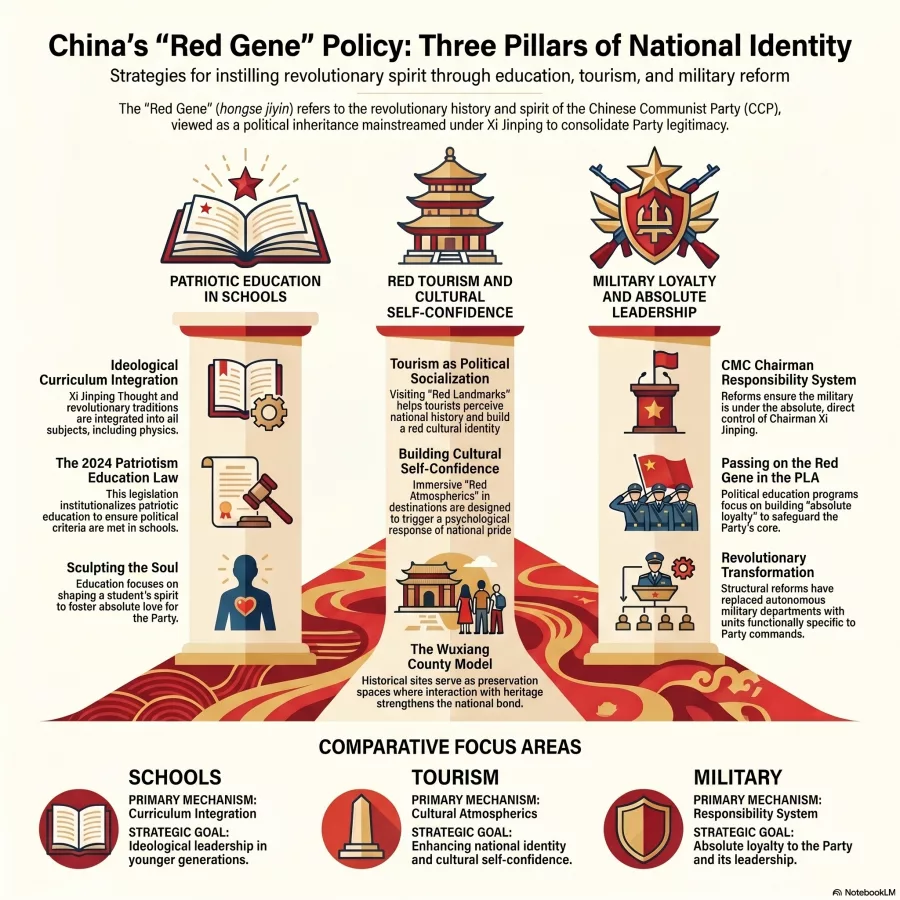
What could dilute that potential risk of an uprising among the domestic population? A change of frame, of perspective, for example, a war in which the population would again be united around a common objective, the unification of China by annexing Taiwan to its territory. Basically, a smokescreen to divert attention from the real problems produced by a very sick system that resists dying. One priority the CCP is clear about is that control of the local population is essential, and when it is in danger it immediately redirects its entire strategy. After all, what is a concentration camp without prisoners? Even many of the displays of diplomatic force should be understood from the perspective of propaganda directed inward: “The CCP, after more than a century of humiliation, is positioning China once again as a world leader.”
The advantage of a war is that it “blurs” the economic system for generations, thus diluting the party’s direct responsibility in the short term and, perhaps, allowing it to extend its stay in power.
In sum, the recent protectionist moves, the attack on the top executives of successful Chinese companies or the escalation of military conflicts in the South China Sea could be part of a plan to return to the stage of international isolation experienced under Mao as a last resort to remain in power. And, meanwhile, to keep the prisoners busy so they do not think about escaping.