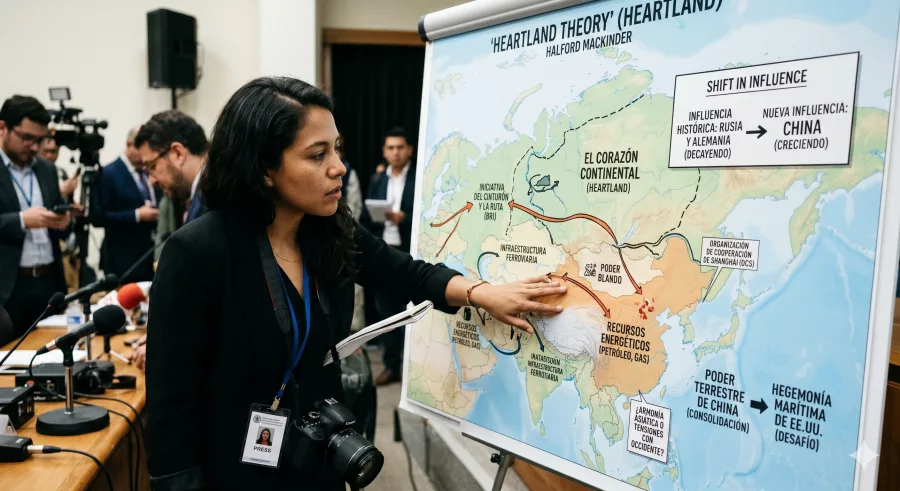



On May 4, 2022, the Epoch Times reported that Russia’s invasion of Ukraine dealt a serious blow to the Chinese Communist Party’s (CCP) “Belt and Road,” a $4 trillion global strategic plan it has implemented for almost a decade. Since the CCP has been reluctant to condemn Russia, opposes sanctions against it and cooperates with it “without limits,” the differences between the CCP and the free Western world in terms of values, and between democracy and totalitarianism, have been exposed even further. Thus, the West’s distrust of the CCP deepened, causing the West to move even further away from China. In addition, the future of trade between China and the EU is not optimistic. This forced the CCP to look East.
The Frequency and Volume of the “China-Europe Railway Express” Plummeted
The “Belt and Road” mainly transports Chinese goods to Europe through the “China-Europe Railway Express” (CERE) via Russia, Belarus and Poland, which accounts for more than 98% of the China-Europe Railway Express. Since European customers resist the Russian invasion, many European companies do not want their products transported through Russian territory and basically ended the CERE through Russia. The frequency and volume of CERE trains decreased significantly, and the flow of rail cargo fell by 30% and, in some cases, even by 50%.
READ ALSO: The Fall of Communism in China: Lessons From the Collapse of the USSR
Therefore, in the short term, China must shift from rail to sea transport, or avoid Russia-Belarus and take the route through the Caspian Sea and Turkey. This route, however, is immature and has limited transport capacity, long cycle times and high prices.
The “China-Pakistan Economic Corridor” Presents Serious Security Risks
The southern route of the “Belt and Road” is the China-Pakistan Economic Corridor (CPEC). It crosses Pakistan to the southwestern port of Gwadar, which is under construction. Its final use is still pending. Worse still, there are serious security problems.
Fishermen at the port of Gwadar account for more than 70% of the local population, and large Chinese trawlers occupied the locals’ fishing grounds and stripped local fishermen of their jobs. The economic prosperity promised by the “China-Pakistan Economic Corridor” did not materialize and the population became poorer. The local independent ethnic armed group, the Baloch Liberation Army (BLA), opposes any Chinese investment. Since November 15 last year, thousands of people in the area began a series of protests. Chinese citizens became the target of BLA suicide attacks. For example, on April 26 there was a suicide attack against Chinese people in Karachi, a city in southern Pakistan, in which three Chinese citizens died. It was the work of the BLA.
The CCP Tries to Find a Path to the East
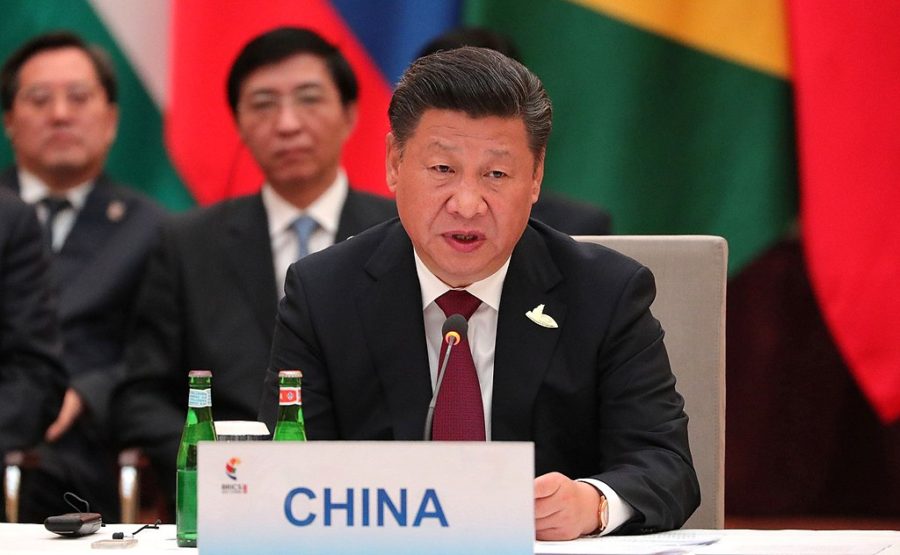
On April 21, in a video-recorded speech at the 2022 Annual Conference of the Boao Forum for Asia, CCP General Secretary Xi Jinping reported that China’s intention was to actively work to join the Comprehensive and Progressive Agreement for Trans-Pacific Partnership (CPTPP) and to join the Digital Economy Partnership Agreement (DEPA). Shortly after the speech, China signed a security agreement with the Solomon Islands in the South Pacific.
Katsuji Nakazawa, former head of the Nikkei Asia bureau in China, determined that “the latest development of China (the CCP) in the Pacific is related to the stagnation of the ‘Belt and Road’ due to the war between Russia and Ukraine. Its attempts to create a large-scale economic zone extending west from Eurasia stalled because of the Russian invasion and China (the CCP) now has to look East.”
Article published in China Scope on May 12, 2022.