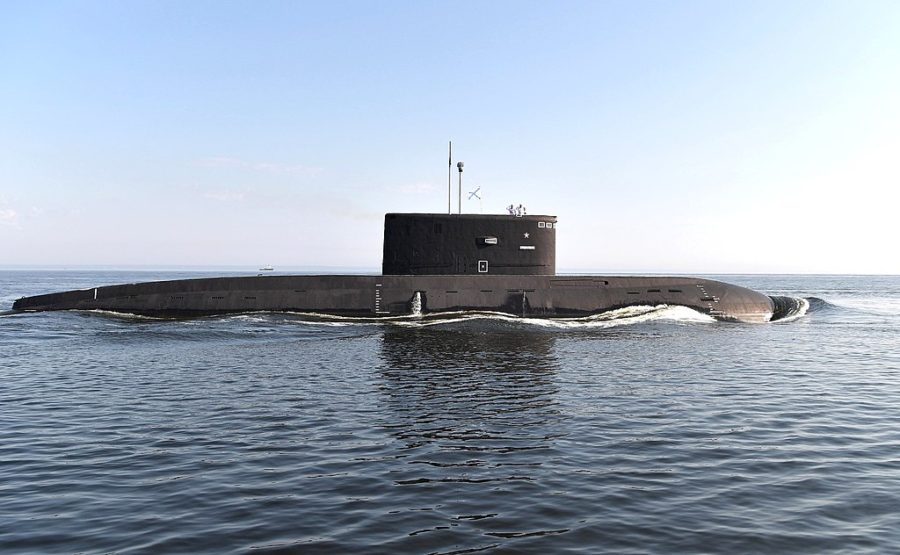




Less than a year in, Joe Biden’s presidency is plagued by crises. Domestically, his increasingly unpopular agenda was stalled by his own political party in Congress. On the international front, the debacle of the Afghanistan withdrawal continues to resonate along with Europe’s growing frustration in dealing with the administration. Even on matters where we can agree, such as the submarine deal and our alliance with Australia and the United Kingdom to counter China, the announcement was so badly handled that it became another point of friction in US-European relations. Then there is China itself. From the origins of COVID to its recent hypersonic missile test, an event that the Pentagon’s top general, Mark Milley, acknowledges was close to a “Sputnik moment,” and China’s ability to crush all American satellites as “debris,” the challenges between the United States and China only grow.
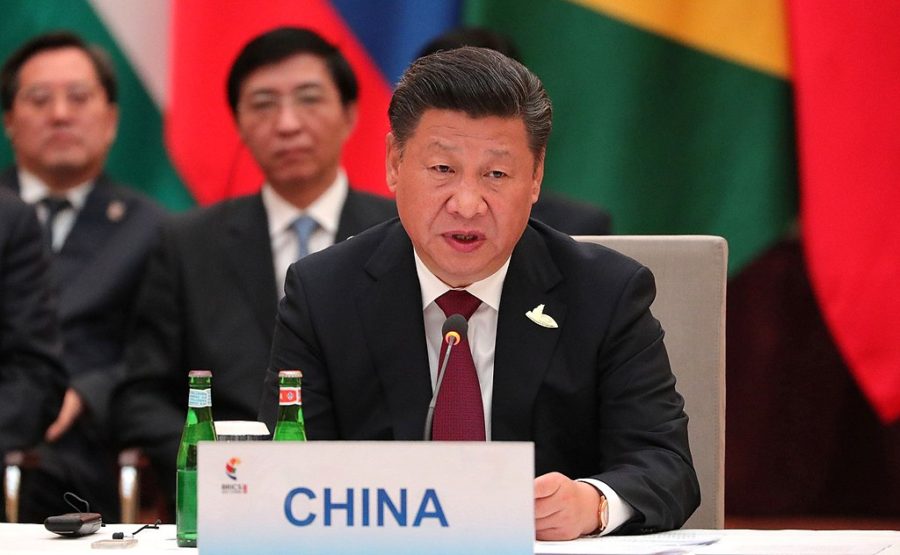
Against this backdrop, President Biden went to the Capitol to beg Democrats to come together to pass his big domestic spending plans, just hours before taking the international stage in Europe to meet with Pope Francis, the G20 summit and a major environmental gathering in Scotland. At all these events, the Vatican announced that it would only release a self-published video of Biden’s meeting with the Pope, and Chinese Communist leader Xi Jinping and Russian President Vladimir Putin declined to appear in person for the G20 meeting and the climate summit with Biden.
How can a president who is struggling on so many fronts lead a nation against China, its biggest geostrategic competitor? China’s military buildup, the ongoing genocide against the Uyghurs, the United States’ and the West’s excessive supply-chain dependence on China, Chinese aggression against Taiwan and in the South China Sea, and China’s aggression against India along their shared land border are pressing issues that are only getting worse.
READ ALSO: Russia and China Tighten the Noose on Post-US Central Asia
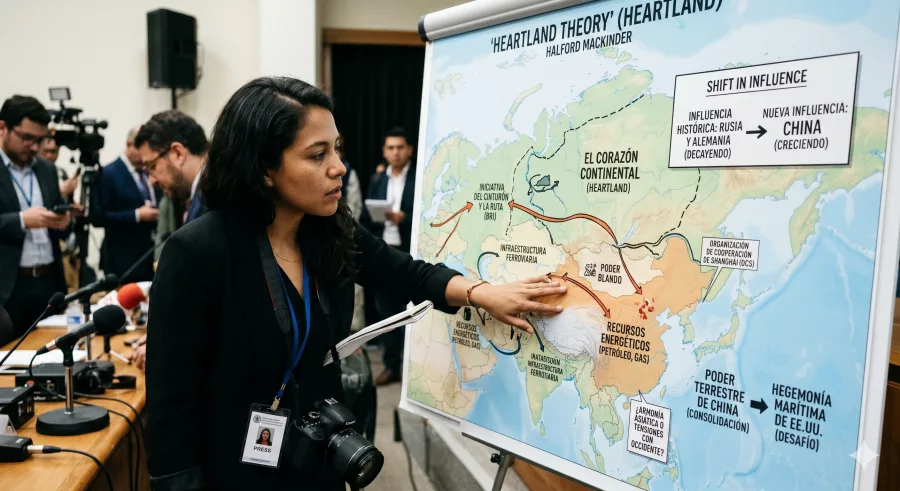
To make matters more difficult, the United States and many European nations disagree on the strategy and approach needed to deal with Chinese aggression and are instead focusing on China as a market for doing business. However, the Chinese communists have made clear in word and deed, including their Belt and Road Initiative and Made in China policies, that they fully intend to topple the United States as world leader and supplant the West in global standing.
A free and independent Taiwan is arguably the ultimate major test of the problems between the United States, the West and China. Having failed so far to force an international resolution on the Chinese genocide of the Uyghurs, the political subjugation of Hong Kong, a credible study of the origins of COVID in Wuhan, or Chinese expansionist aggression, Taiwan has emerged as the next great flashpoint and test of American and Western resolve.
Europe has witnessed what happens when a country is allowed to aggressively expand its territorial borders against international norms, and how capitulation to aggression only fuels more aggression. In the period before World War II, Europe stood aside while Germany annexed Austria and the Czechoslovak Sudetenland. The result was that Europe stood by and pursued appeasement: Germany continued conquering more land and engaging in genocide and political repression until the world was forced to confront the threat.
More recently, in 2008, Russia invaded the Republic of Georgia. European Union (EU) leaders offered a woefully limited response and Russia faced very little backlash from the EU or the United States. Many believe this painfully mild response was a signal to Russia that it could employ a more militaristic approach in areas of former Russian influence. Six years after its invasion of Georgia, Russia invaded Ukraine, annexed Crimea and occupied parts of the Donbas region. The lesson seems clear and quite literal: give a tyrant country an inch and it will take as many other countries as it can.
For these reasons, the West’s response to China’s aggressive and expansionist actions in the South China Sea and against Taiwan must be forceful opposition and a willingness to intervene. A lack of response, or even a hint of hesitation in countering these Chinese actions, will be devastating.
China has already signaled that it will target areas of Southeast and East Asia and areas where it has established a foothold with its Belt and Road initiative. Our friends and allies around the world are watching to see what stance the United States will take. China is watching too.
The Biden presidency is truly in a historic crisis right now, but for global stability and America’s standing, it is time for the president to draw a bright red line signaling to the Chinese communists the limits of what they can do and how far they can go.
This article was originally published on Gatestone on November 2, 2021
Author: Pete Hoekstra